How Lego Almost Went Bankrupt and Saved Itself
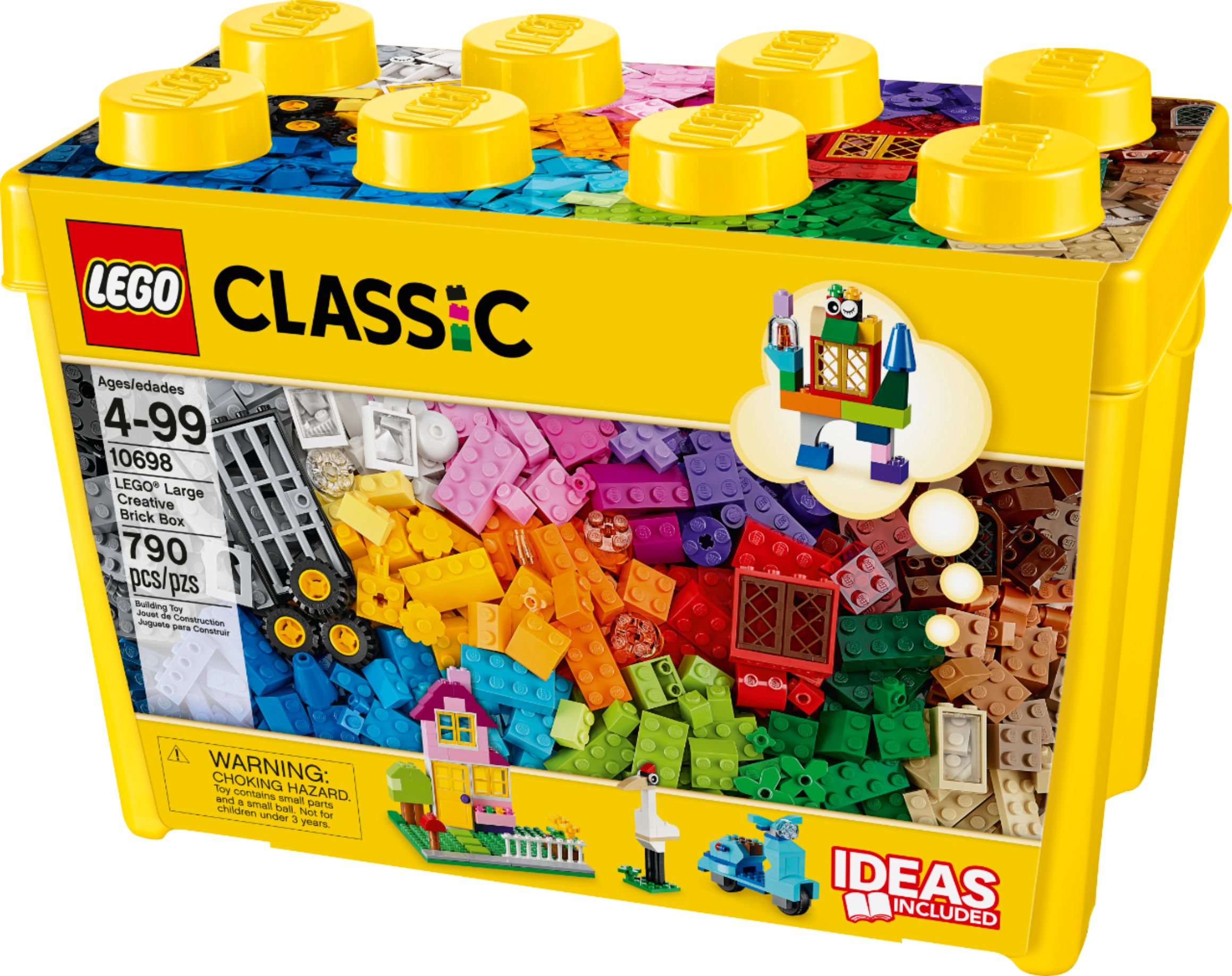
Lego almost went bankrupt in 2003 after losing 800 million dollars in a single year. The family that owned the company feared they would lose everything. They were days away from closing their doors forever.
The company saved itself by going back to the simple plastic brick. They stopped making clothes, jewelry, and video games that people did not want. Instead, they listened to their fans and focused on what made them famous in the first place. This turnaround is one of the greatest stories in business history.
Why was Lego going broke?
By the late 1990s, Lego was in big trouble. Executives thought the basic brick was boring for kids who grew up with computers. They tried to do too many things at once. They opened theme parks and started making watches and clothes.
The company also started making pieces that were too specific. One box might have a piece that only worked for one specific wing of one specific plane. This made the sets very expensive to manufacture. It also took away the creative spirit of the toy. If you cannot build something new with a piece, is it really a Lego?
Sales dropped fast. Stores had boxes sitting on shelves that nobody wanted to buy. In 2003, sales fell by 30 percent. The company was bleeding money every day. They had too much debt and no clear plan to fix it. It was a dark time for the workers in Denmark.

The new leader who changed everything
The owners hired a man named Jorgen Vig Knudstorp to look at the numbers. He was not a toy expert. He was a thinker who looked at facts. He told the family the truth. He said the company was dying because it forgot its own DNA.
Knudstorp became the boss and made hard choices. He sold the theme parks so the company could get cash fast. He cut the number of different pieces they made from 13,000 down to 6,500. This saved a lot of money in the factories. It also forced the designers to be more creative with fewer parts.
He wanted to know why people loved the brand. He met with adult fans who spent thousands of dollars on sets. He realized that the brick was not just a toy. It was a system for building anything you can imagine. This shift in thinking helped him build a self-made man image for the brand again.
How did Lego recover so fast?
The first big step was focusing on the classics. They brought back sets like Lego City and Bionicle. These were toys that children actually liked to play with. They also looked at movies. They saw that kids wanted to play with characters they knew from the big screen.
The deal with Star Wars was a huge turning point. It brought in new fans who loved the movies and the bricks. It showed that Lego could be cool for teenagers and adults too. This helped them find a new path to success by mixing old ideas with new stories.
They also fixed how they made their products. They looked at every single box and asked if it made money. If a toy did not make a profit, they stopped making it. It sounds simple, but the company had not done this for years. They were too busy trying to be "trendy" instead of being good at building things.
Listening to the fans made the difference
Lego started asking their customers for ideas. They created a site where fans could submit their own designs. If 10,000 people liked a design, Lego would consider making it into a real set. This gave people a reason to care about the brand again.
They learned that their fans are their best workers. Some of the best sets in the last ten years came from these fans. It showed that a big company does not have to have all the answers. Sometimes, the people who buy your product know more than the people in the office.
This is a lesson for anyone starting a business. You must know what your customers want, not what you think they should want. Much like how other famous people struggled, as seen in this story about How Sylvester Stallone Slept in a Bus Station Before Rocky, persistence and focus are the keys to winning.
Can you use these lessons in your life?
The story of Lego shows that you can come back from the edge of failure. You just have to be honest about what is not working. It takes courage to admit you made a mistake. It takes even more courage to stop doing things that are comfortable but useless.
Focus on your core strength. For Lego, it was the brick. For you, it might be a specific skill or a way of helping people. Do not try to be everything to everyone. If you spread yourself too thin, you will break. Stick to what you are best at and do it better than anyone else.
If you want to read more about how people build great things from nothing, you can find a lot of help on this blog about success and turning points. Learning from others is the fastest way to grow. Every big name you know has faced a moment where they almost lost it all.
The power of keeping it simple
Lego is now the most profitable toy company in the world. They make movies, games, and thousands of sets. But every single thing they do is based on that one plastic brick from 1958. They realized that their "old" idea was actually their best idea.
Simplicity is often the answer to complex problems. When things get messy, go back to the start. Ask yourself what you were trying to do in the beginning. Usually, the answer is right there waiting for you. Lego forgot that for a few years, and it almost cost them everything.
Today, they are more than just a toy. They are a symbol of creativity. They survived because they were willing to change their ways but keep their soul. It is a perfect example of how to fix a broken dream. You do not always need a new idea. Sometimes you just need to fix the one you already have.
What is the one thing you are focusing on right now? Is it the thing you are actually best at, or are you trying to do too much at once? Take a look at your own "bricks" today and see if they still fit together.



Δεν υπάρχουν σχόλια: