How Michael Jordan Was Cut From His High School Basketball Team

Michael Jordan was cut from his high school basketball team in 1978 because he was only five feet and eleven inches tall. The coaches picked a taller boy named Leroy Smith instead. Jordan went home, locked himself in his bedroom, and cried until he could not cry anymore.
Getting cut did not destroy his career. It gave him the drive to train harder than anyone else in the school, proving that early rejection can be the start of massive personal growth.
The Fall Afternoon That Changed Sports History
Every kid in Wilmington, North Carolina, wanted to play varsity basketball for Emsley A. Laney High School. Michael Jordan spent his sophomore summer at the local park, working on his jump shot and trying to grow taller. When November came, the tryout list went up on the gymnasium door.
Jordan ran to the wall with his friends to check the names. His eye went down the paper, looking for his surname under the varsity roster. It was not there. His friend Clifton Herring made the list, but Jordan saw his name down on the junior varsity paper instead.
The coaching staff wanted height. They had one spot left for a tall player, and they gave it to Leroy Smith, a sophomore who stood six feet and seven inches tall. Jordan was fast, but the coaches thought he was simply too short to help the main team win games that year.
He went home alone that afternoon. His mother, Deloris, found him weeping in his room. She did not tell him the coaches were wrong. She told him to get back out on the court and prove to everyone that he belonged on the main team.
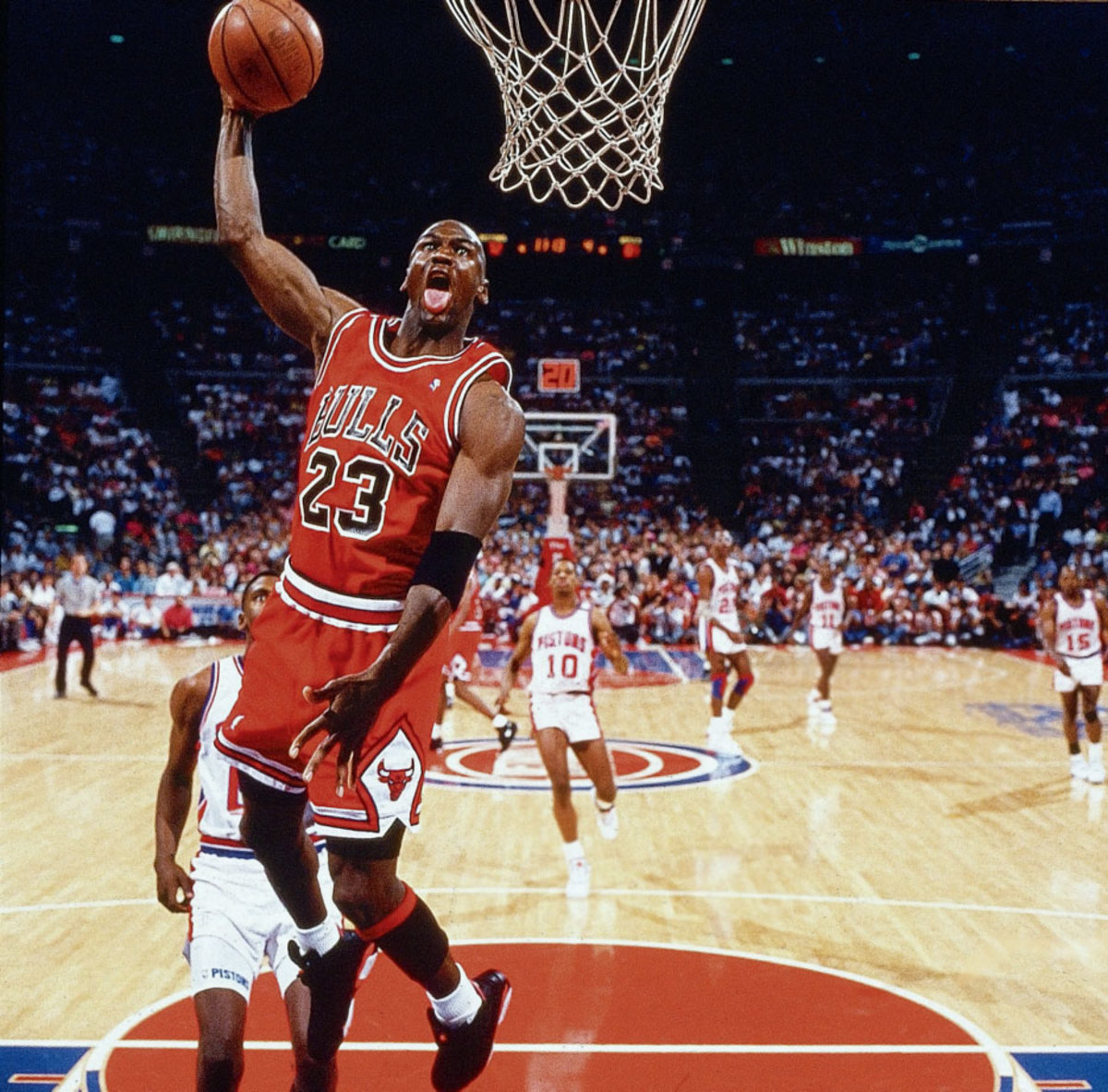
How Getting Cut Turned Into Daily Motivation
The next morning, Jordan made a choice. He decided he would never let a coach cut him again. He used his spot on the junior varsity team to show what he could do every single day.
He got up at six in the morning to practice before classes started. When the varsity team trained, Jordan stayed after his own practice to carry their towels and wash their jerseys. He wanted to watch every play they made. He wanted to remember the feeling of being left out.
Every time he felt tired during a workout, he closed his eyes and saw that list on the gymnasium wall. If you want to build strong habits after a big disappointment, reading about Success can give you a clear map to follow.
His work paid off fast. On the junior varsity squad, he put up huge numbers. He scored more than twenty points in almost every game, drawing big crowds to watch the younger kids play before the varsity match even started.
The Turning Point That Made Him a Star
Over the summer of 1979, something special happened. Jordan grew four inches. He came back for his junior year standing six feet and three inches tall, with the same quick footwork he had built while playing against taller guys as a sophomore.
This time, his name went right at the top of the varsity list. He did not just join the team, he took over the whole league. He averaged over twenty points a game as a junior and led his school to a strong winning record.
By his senior year, he was scoring over thirty points per game. He was named a McDonald's All-American after scoring forty points in the national high school game. The boy who was not good enough for his own high school varsity team was now the most wanted recruit in the state.
Many famous organizations have faced similar moments of clear failure before finding their path to victory. You can see how another major group turned things around in this post about How Marvel Almost Went Bankrupt Before Making Movie History.
Why Did Michael Jordan Get Cut From the Varsity Team?
People still ask why a coach would ever drop the best basketball player who ever lived. The real answer comes down to what the team needed at that exact moment. High school coaches often pick height over raw skill when building a high school squad.
Laney High School had lost several tall players to graduation the year before. Head coach Clifton Herring needed someone to defend under the basket. Leroy Smith gave them size right away, while Jordan was still a smaller guard who needed to work on his defensive plays.
Getting left off the varsity roster was not a mistake by the coach. It was a normal decision based on team size, but it acted as fuel for Jordan's strong work ethic. It taught him that talent means nothing if you do not bring absolute effort to every drill.
He carried that mindset to the University of North Carolina, where he hit the winning shot in the 1982 national championship game. He carried it to the NBA, where he won six championship rings with the Chicago Bulls.
What You Can Learn From Jordan's High School Story
Rejection feels like an ending when it happens to you. When a boss turns down your idea or a company does not hire you, it feels like a door slamming shut in your face. Jordan showed that a door shutting is just a signal to work on your skills.
Here are three simple steps you can take when you fail at something important:
- Accept the feeling first. Jordan cried in his room for hours. Give yourself time to feel bad, but do not stay there forever.
- Find a concrete target. Focus on one specific skill you can fix right now instead of worrying about the whole big picture.
- Do the work when no one is watching. The extra hours early in the morning are where real progress happens.
Many great leaders built their life story by turning a quick loss into long-term effort. Learning more about the history of a Self-made man shows that almost every leader started with a setback that tested their goal.
If you are trying to build your own path from scratch, you can read our simple guide on anchor text about the topic to see how small daily steps lead to huge long-term wins.
Turning Your Own Rejection Into Fuel
Michael Jordan invited his old coach and Leroy Smith to his Hall of Fame induction speech in 2009. Thirty years after getting cut, he still remembered the guy who took his spot on the varsity roster. He used that memory to win five MVP awards and six NBA titles.
You do not need to be a famous athlete to use this secret. The next time someone tells you that you are not ready, do not argue with them. Use their words as your alarm clock the next morning.
What is one goal you gave up on because someone told you no? Pick it back up today and do twenty minutes of work on it before you go to sleep.



Δεν υπάρχουν σχόλια: